Superior Outdoor Wi-Fi Complete Outdoor Wi-Fi Solutions

Outdoor Wi-Fi System Design for Large Properties

Rotating property photographs with matching headlines. Previous and next arrows, slide indicators, and pause are available. Arrow keys work when this carousel is focused. Automatic rotation pauses when the carousel is focused or used.

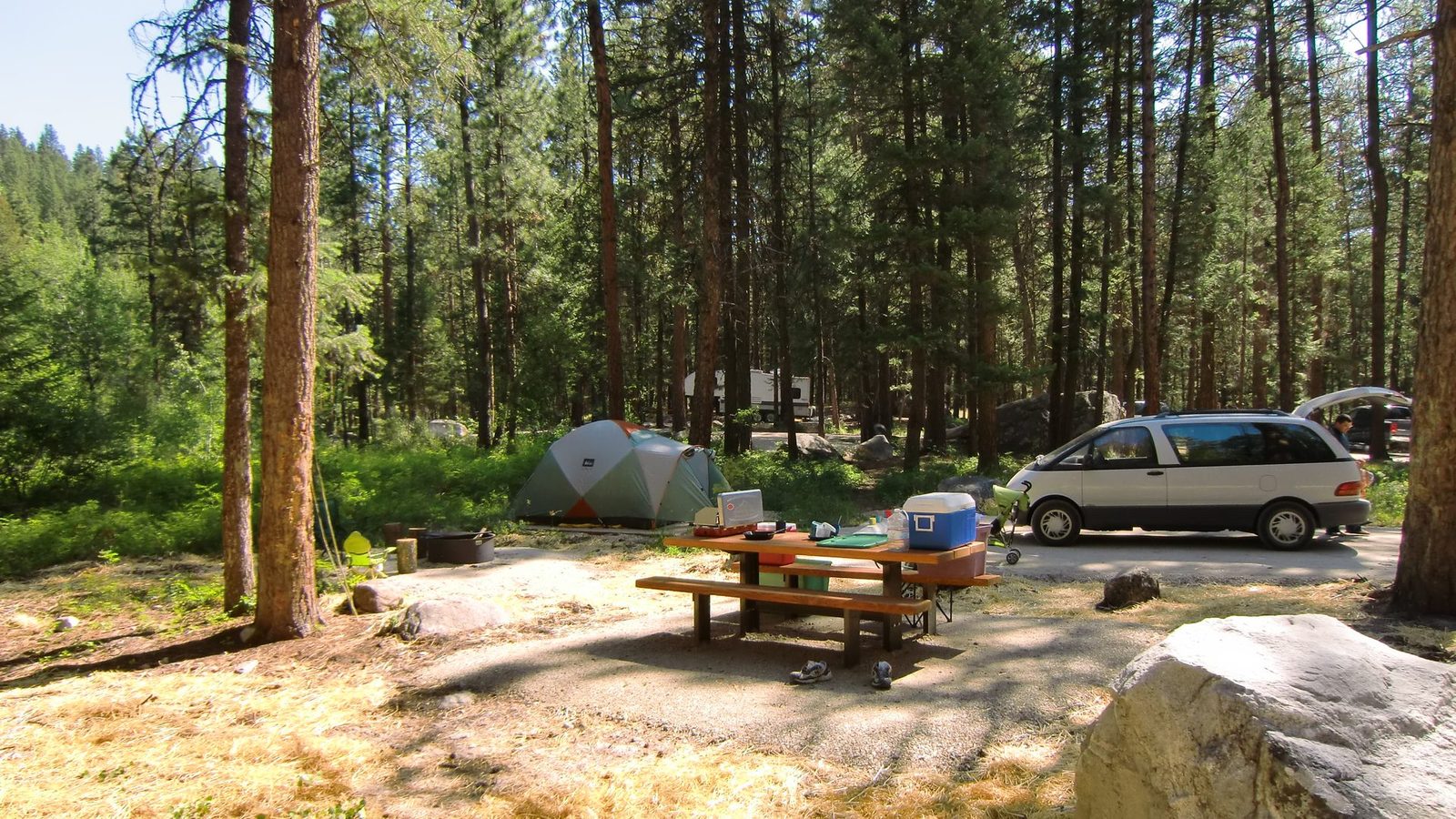
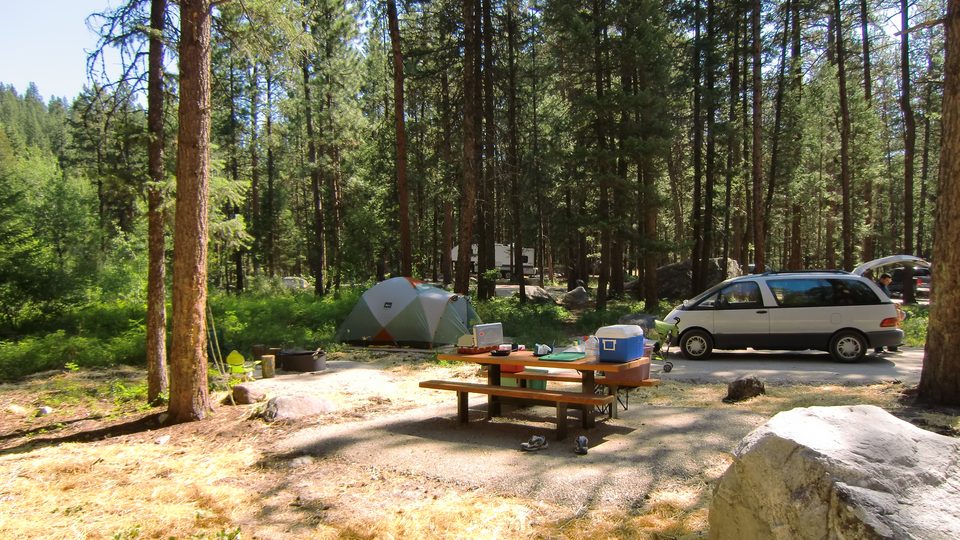
Tent, picnic table, and fire ring at a wooded campground site.

Campground Wi-Fi Solutions

Reliable Wi-Fi Across the Entire Campground

Connect campsites, cabins, common areas, service buildings, and other remote locations with a complete outdoor Wi-Fi system designed around the property.

Campground Wi-Fi Solutions

Wi-Fi Solutions

Outdoor properties GNS designs for

From initial design and equipment selection through configuration, monitoring, and ongoing support, GNS delivers complete outdoor Wi-Fi solutions for campgrounds, RV parks, marinas, yacht clubs, and other large properties.

Wooded campground with a tent, picnic table, and fire ring.

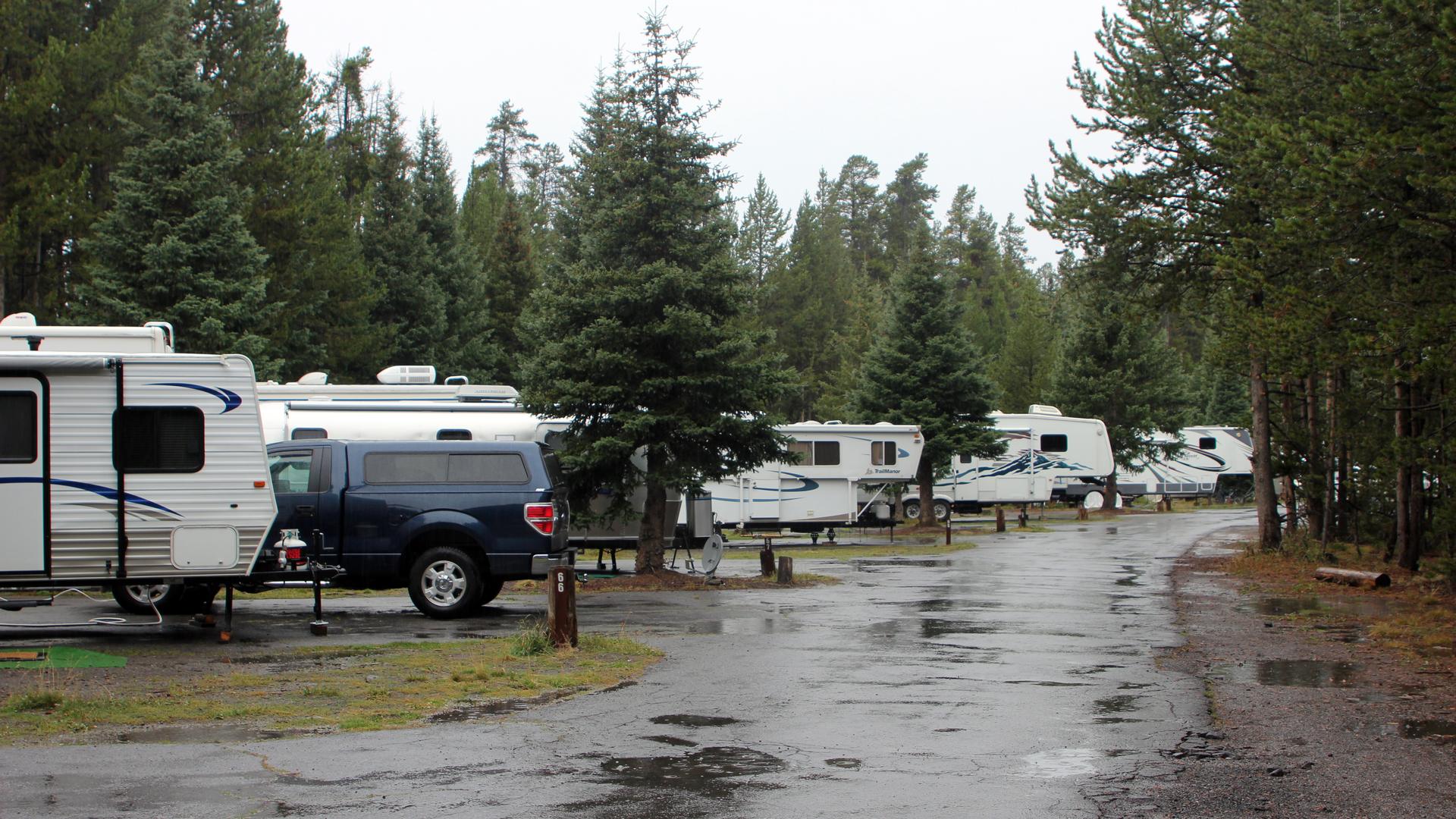
Campgrounds

Reliable Wi-Fi Across the Property

GNS designs coverage for campsites, cabins, common areas, and service buildings—not just the main office. We account for trees, distance, terrain, and building placement when selecting access points and connecting remote areas back to the main network.

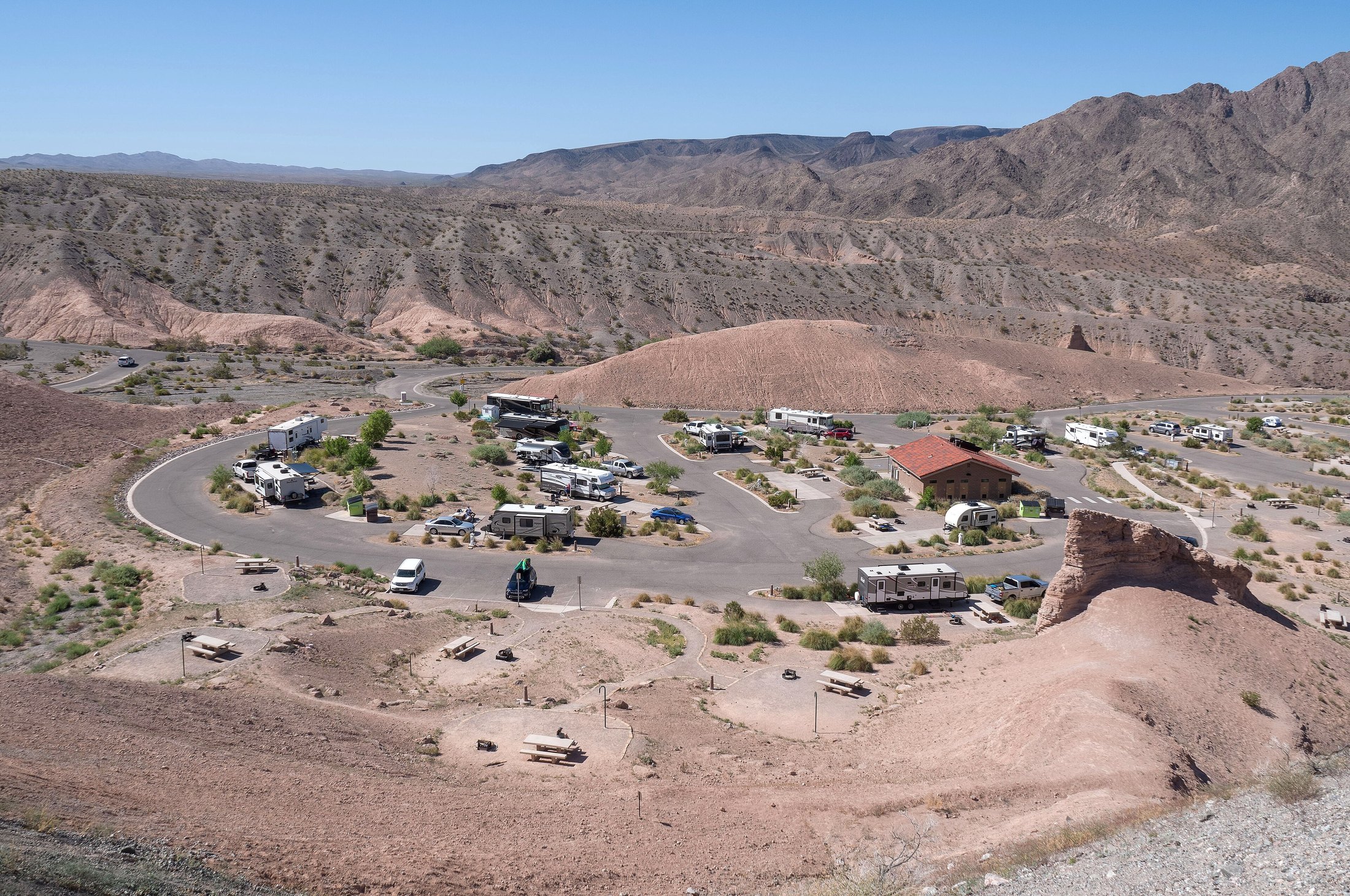
Elevated view of an RV park with spaced pads and loop roads.

RV Parks

Reliable Wi-Fi Even at Full Occupancy

RV park networks must support densely spaced sites and increased demand during weekends and holidays. GNS designs coverage and network capacity around the park’s layout and expected guest usage, helping maintain reliable service when occupancy is at its highest.

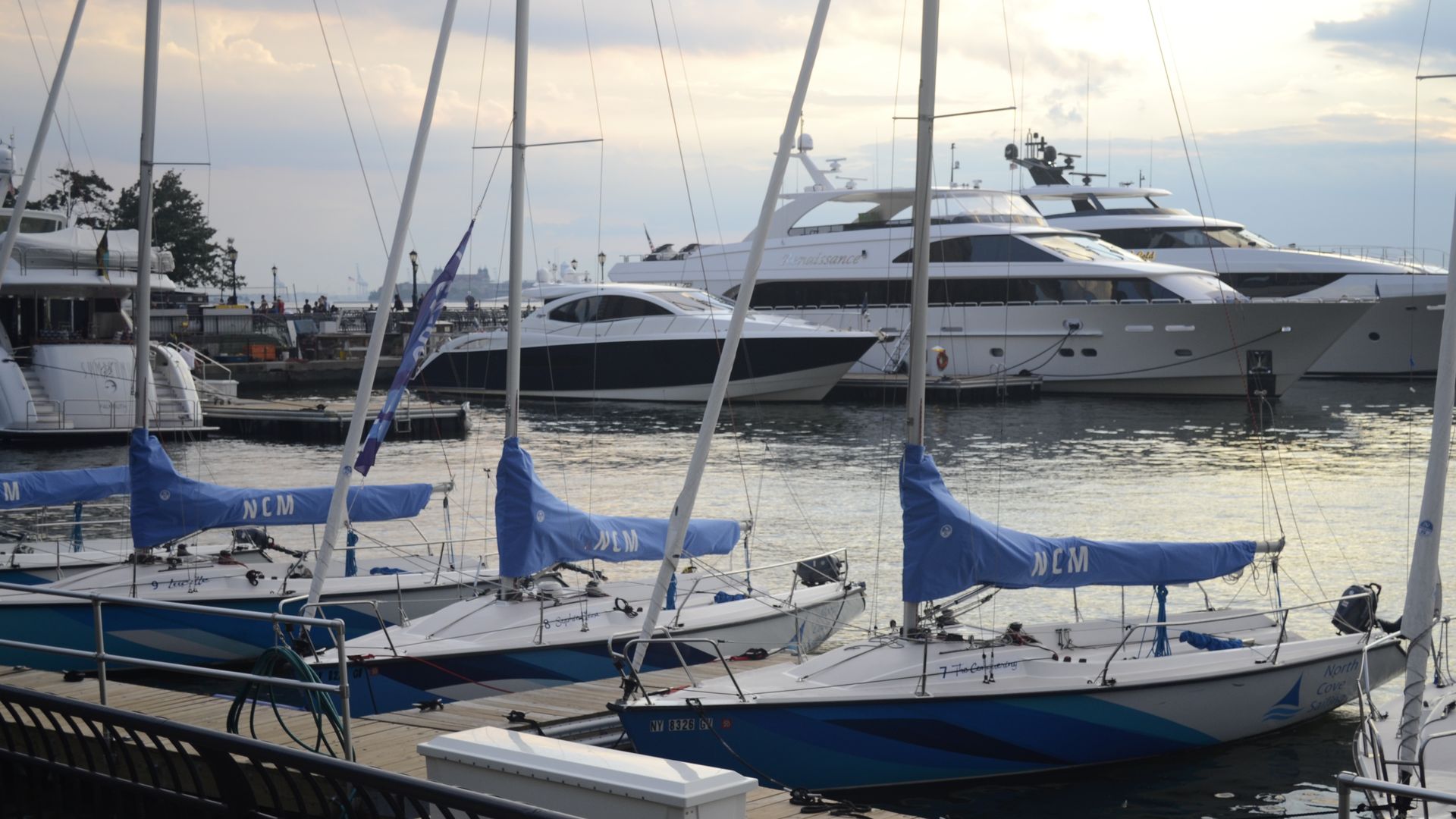
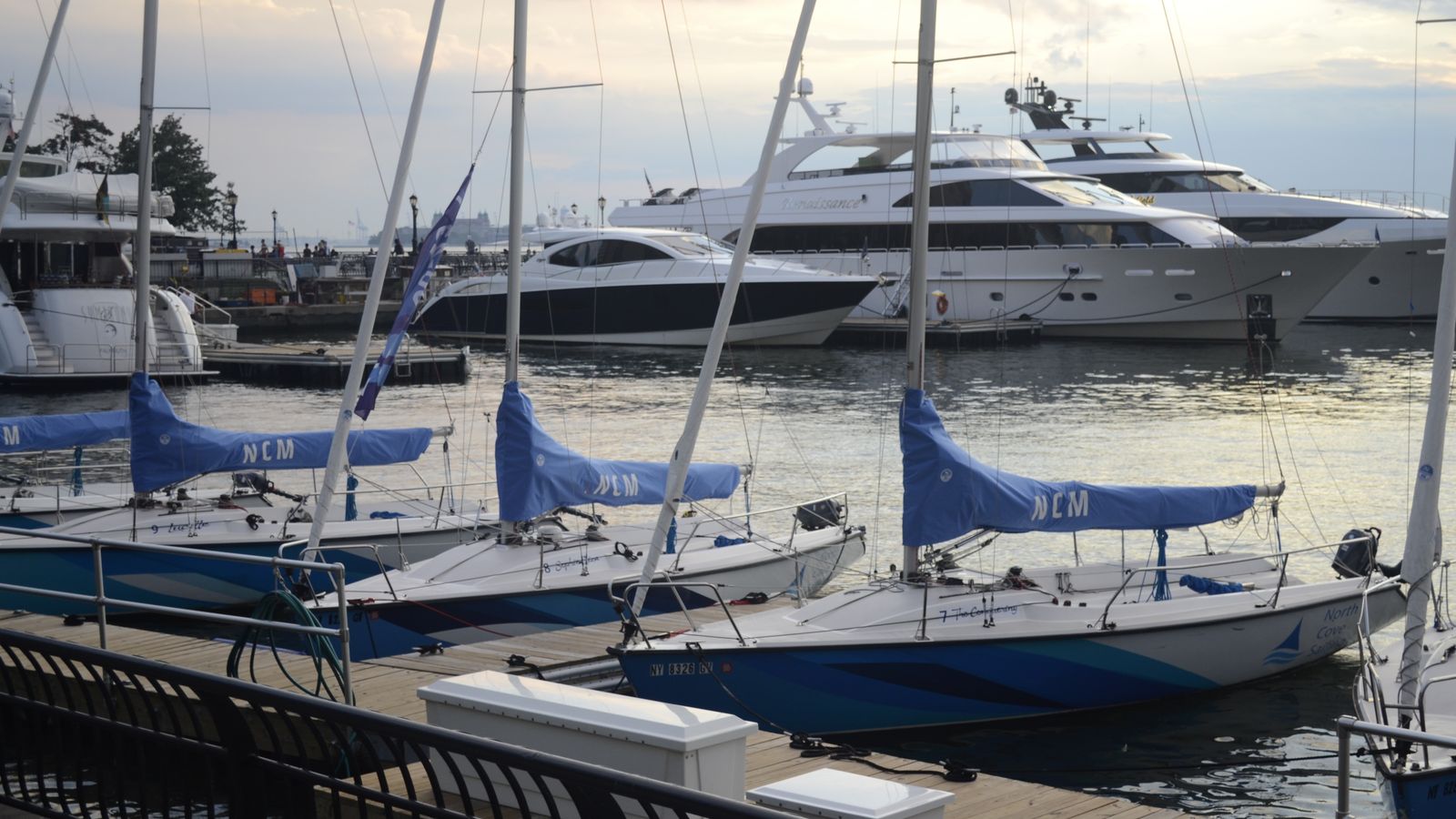
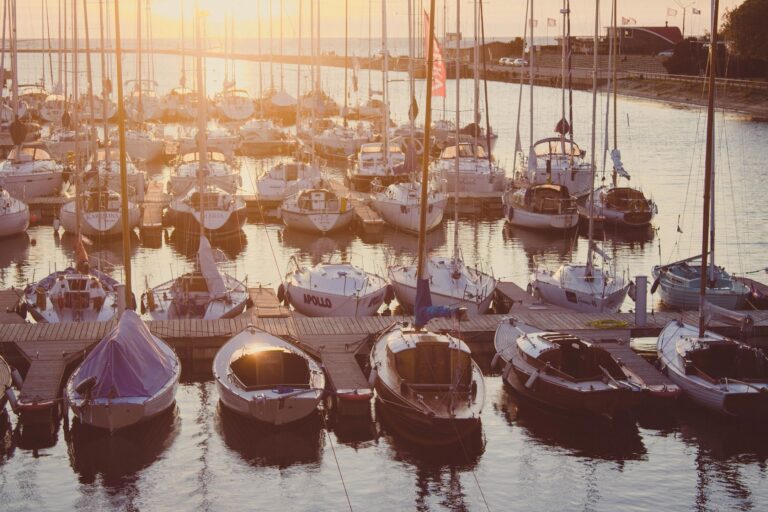
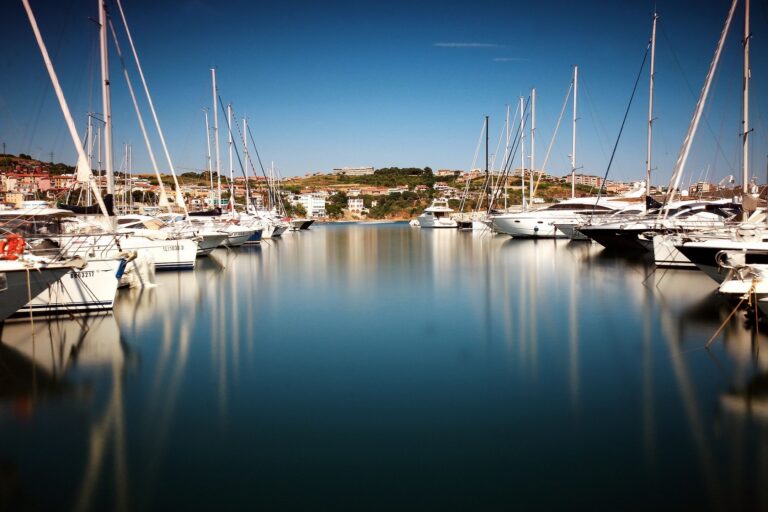
Sailboats and motorboats moored at docks in a marina.

Marinas & Yacht Clubs

Reliable Wi-Fi From the Clubhouse to the Docks

Marinas require coverage across clubhouses, docks, slips, and waterfront areas. GNS designs each system around dock layouts, distance, mounting locations, and the number of connected devices to provide reliable guest Wi-Fi throughout the property.

Wireless Technology

One Network. Built for the Entire Property.

GNS designs complete outdoor Wi-Fi systems that deliver reliable coverage across buildings, campsites, docks, common areas, and other hard-to-reach parts of the property.

White circular dish antennas on two building roofs and a tall white vertical antenna, with tan siding, stone accents, and white railings under a clear blue sky.
Point-to-Point Wireless Bridges
A point-to-point bridge creates a dedicated wireless connection between two fixed locations. It can extend the property network to a remote building, pole, dock, or service area without trenching a new cable between them.
Point-to-Multipoint Wireless
Point-to-multipoint connects one central location to several remote locations. It is useful when multiple docks, buildings, campground sections, or coverage zones need connections back to the same network.
Outdoor Wi-Fi Access Points
Outdoor access points are what phones, laptops, tablets, TVs, and other guest devices connect to. The backhaul carries the network across the property; the access points provide Wi-Fi within each coverage area.
Mesh vs Dedicated Backhaul
Mesh can extend coverage by allowing access points to relay traffic wirelessly and may work well for smaller or simpler layouts. For longer distances, heavier usage, or locations where reliability is critical, a dedicated point-to-point or point-to-multipoint backhaul gives remote access points a more direct connection to the main network. Some properties use a combination of both.

GNS selects the appropriate combination based on the property layout, distances, obstructions, available mounting locations, expected usage, and the internet service already available at the site.

How GNS Helps

Complete Outdoor Wi-Fi, From Design to Support

GNS provides system design, equipment selection, preconfiguration, wiring diagrams, cloud setup, installation assistance, remote monitoring, and ongoing technical support—giving you one experienced partner throughout the project.

System design

Reliable Wi-Fi for Streaming and Connected Devices

Guests increasingly expect to connect smart TVs, streaming devices, phones, tablets, laptops, and gaming systems during their stay. With a properly designed network, quality outdoor access points, reliable wireless backhaul, and effective bandwidth control, GNS can provide the coverage and capacity needed to support streaming throughout campgrounds, RV parks, marinas, and yacht clubs—even when Starlink is the property’s internet source.

Starlink, cable, fiber, or another available internet source at the property can feed the system. GNS provides network design, equipment selection, access points, backhaul, configuration, bandwidth control, monitoring, and technical support around that source.

Many common HD streaming services require approximately 10–15 Mbps per active device. GNS designs the network around the property’s available internet capacity, expected occupancy, coverage requirements, and anticipated device usage so bandwidth can be distributed effectively.

Planning

Start With Your Property Map

Send GNS an aerial image, site plan, or marked property map. We’ll review the layout and recommend how to provide reliable coverage across the areas that matter.

  1. 1. Send the Property Layout

    Identify the office or internet source, buildings, campsites, docks, common areas, and other locations requiring coverage.

  2. 2. GNS Reviews the Site

    We evaluate distances, obstructions, mounting locations, available power, expected usage, and the best combination of access points and wireless backhaul.

  3. 3. Receive a System Recommendation

    GNS prepares a recommended equipment layout, installation guidance, and quote for the complete outdoor Wi-Fi system.

Email a property map to sales@gnswireless.com

Planning Resources

Outdoor Wi-Fi Guides

Practical guidance for planning reliable Wi-Fi across campgrounds, RV parks, marinas, farms, and other large properties.

  • Why Outdoor Wi-Fi Fails — and How Proper Planning Fixes It

    Why Outdoor Wi-Fi Fails — and How Proper Planning Fixes It

    Outdoor Wi-Fi is one of the most misunderstood parts of networking. Many property owners assume expanding coverage is as simple as adding another access point or boosting signal power. In reality, that approach is often why outdoor networks become unreliable, slow, or unusable as they grow. Whether the property is a campground, RV park, marina, … Read more

  • Outdoor Wi-Fi Coverage vs Capacity: What Property Owners Get Wrong

    Outdoor Wi-Fi Coverage vs Capacity: What Property Owners Get Wrong

    When expanding outdoor Wi-Fi, most property owners focus on one thing: coverage.“How far will the signal reach?” is usually the first question asked. But coverage alone is rarely the real problem. In campgrounds, RV parks, marinas, farms, and industrial sites, the most common cause of Wi-Fi complaints is lack of capacity, not lack of signal. … Read more

  • Marina WiFi in the Starlink Era | Better WiFi for Boats

    Marina WiFi in the Starlink Era | Better WiFi for Boats

    Marina Wi-Fi & Internet Starlink Changed Boating — So Why Does Your Marina Still Need Great Wi-Fi? Starlink has changed what boaters expect from internet service. Today’s boat owners are streaming TV, working remotely, using security cameras and connecting more devices than ever before. But when they return to the dock, there is still one … Read more

Browse All Guides

Common Questions

Outdoor Wi-Fi Questions, Answered

How does GNS determine how many access points a property needs?

The number and placement of access points depend on the property layout, distances, buildings, trees, mounting locations, expected usage, and the areas requiring coverage. GNS reviews these details before recommending a system.

Can GNS work with our existing internet connection?

Yes. GNS designs the outdoor Wi-Fi network around the internet service already available at the property and helps distribute that connection to the areas that need coverage.

Does GNS configure the equipment before installation?

Yes. GNS can preconfigure the equipment, prepare wiring diagrams, and provide installation guidance so the system is easier to deploy.

Can GNS work with our electrician or local installer?

Yes. GNS can provide installation assistance, wiring guidance, and technical support for the electrician or installer working at the property.

What should we send for a coverage review?

Send an aerial image, site plan, or marked property map showing the internet source, buildings, campsites, docks, common areas, and other locations where coverage is needed.

Does GNS provide support after installation?

Yes. GNS provides ongoing email and telephone technical support and can assist with cloud setup, configuration, monitoring, and network management where applicable.

Equipment and purchasing

Choose Equipment That Fits the Design

Selecting the right outdoor Wi-Fi equipment is critical to performance, reliability, and the ability to grow. GNS recommends commercial-grade equipment from real outdoor deployments so the hardware supports the design instead of replacing it.

GNS provides system design, equipment selection, preconfiguration, wiring diagrams, cloud setup, installation guidance, monitoring, and support. This site explains how those pieces fit a property. It is not a product catalog.

Equipment and purchasing are handled through GNS Wireless, including campgrounds, RV parks, marinas and dock areas, and other large outdoor spaces.

Before equipment is purchased:

  • Mounting height and placement matter more than raw power.
  • Proper channel planning prevents interference.
  • Backhaul capacity must match user demand.

Let’s Design Your Network

Ready to Improve Your Property’s Wi-Fi?

Send GNS your property map or aerial image. We’ll review the layout, discuss the areas requiring coverage, and help develop a complete outdoor Wi-Fi recommendation for your property.

Helpful information to include:

  • Location of the existing internet connection
  • Buildings, campsites, docks, common areas, or outdoor work areas requiring coverage
  • Approximate distances and known obstructions
  • Any available power or mounting locations